
Public Radio's Environmental News Magazine (follow us on Google News)
Fracking and Data Centers
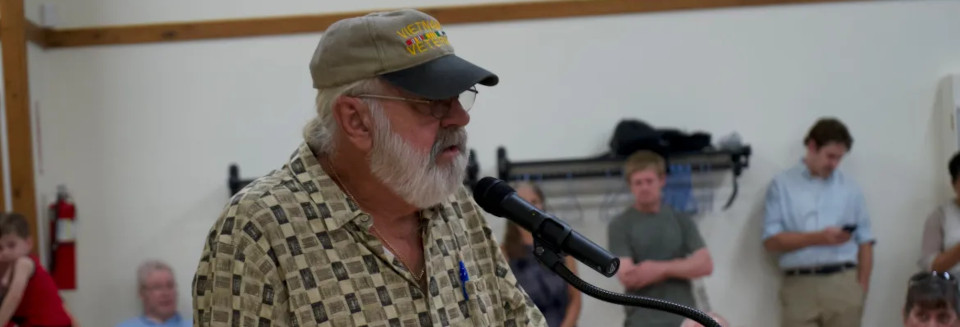
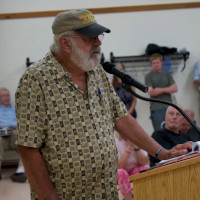
One of the states where data centers to power AI are growing is Pennsylvania, which also has a large supply of natural gas. In Upper Burrell, a town just east of Pittsburgh, a data center expansion could be fed by fracking rigs already pumping gas out of the ground. The Allegheny Front’s Reid Frazier reports the town is trying to keep pace with these two big industries in its backyard.
A Fossil Fuel Treaty Beyond the UNFCCC
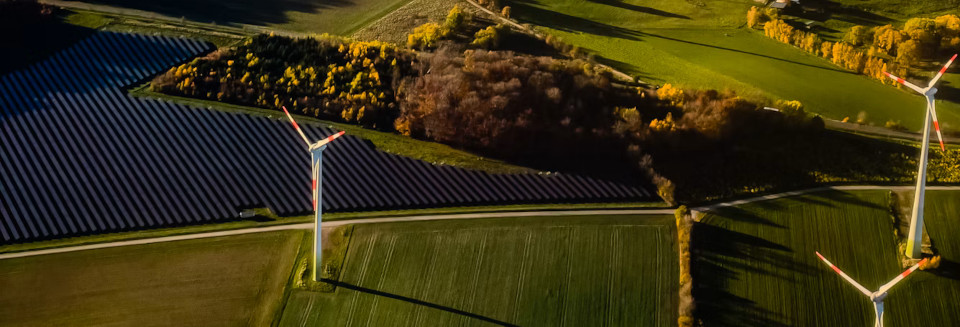
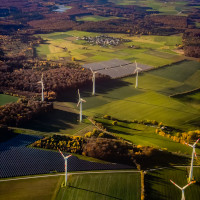
Thirty years of UN climate sessions and the persistent wide gap between discussion and action to slow the climate crisis have left some countries and NGOs frustrated as they face a dire future. So even as COP31 begins in Turkey in November, an alternate path already began in April in Colombia when roughly 60 countries met for the first Conference on Transitioning Away from Fossil Fuels, with a treaty in the works.
Hurricane Helene's Impact Brought to Life
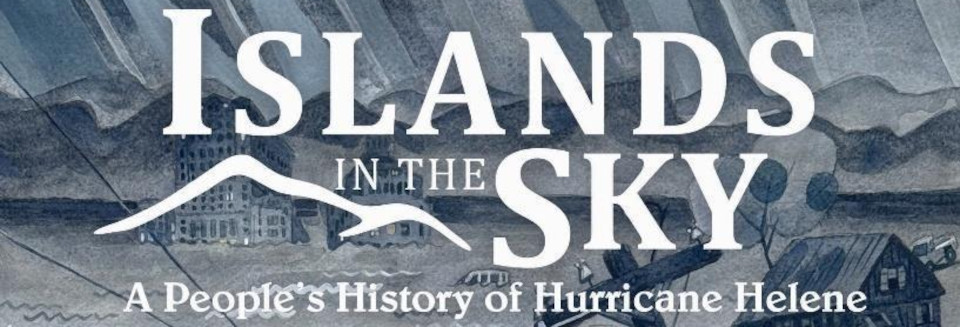
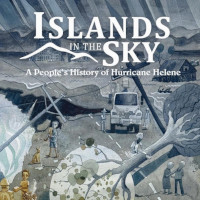
In 2024, Hurricane Helene ripped through the mountain communities of western North Carolina, leaving them stranded and unable to communicate with the outside world for days. A new graphic novel, Islands in the Sky: A People’s History of Hurricane Helene, pairs up survivors with artists to help them tell their stories of resourcefulness and resilience in their own words.
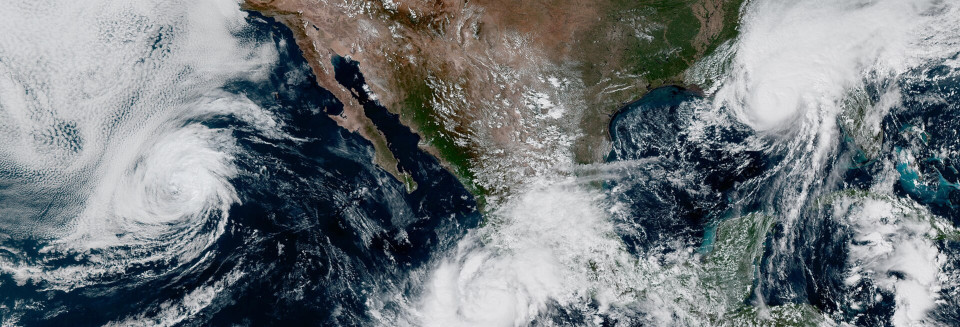
Powerful Pacific Storms Amid 'Super' El Niño
Boosted by climate change, this year’s El Niño has intensified into a “Super El Niño,” meaning sea surface temperatures in parts of the Pacific are over 2 degrees Celsius hotter than average. How this has brought one strong storm after another churning across the Pacific Ocean while shutting down most Atlantic storms, and what this super El Niño may bring in the months ahead.
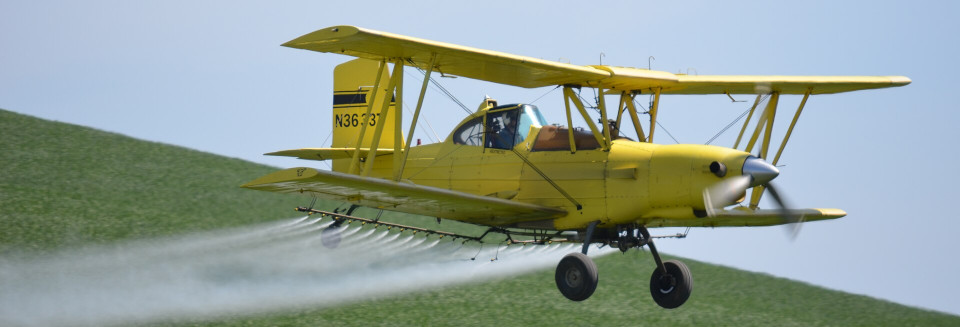
Pesticide Atrazine Contaminating 25% of US Rivers
Atrazine is the second most widely used weed killer in the U.S. after glyphosate, which you might know from RoundUp. Much like glyphosate, atrazine can disrupt hormones and has been linked to serious health impacts, including cancer. Atrazine is also wreaking havoc on aquatic ecosystems, and a recent report from the Center for Biological Diversity finds nearly a quarter of all river miles in the US contain harmful levels.
A Guardian and A Thief
In her award-winning novel A Guardian and a Thief, Megha Majumdar places her characters in the near future in a climate-changed Kolkata, India, where she grew up. She discusses how the climate crisis may present the kinds of difficult moral choices her characters grapple with.
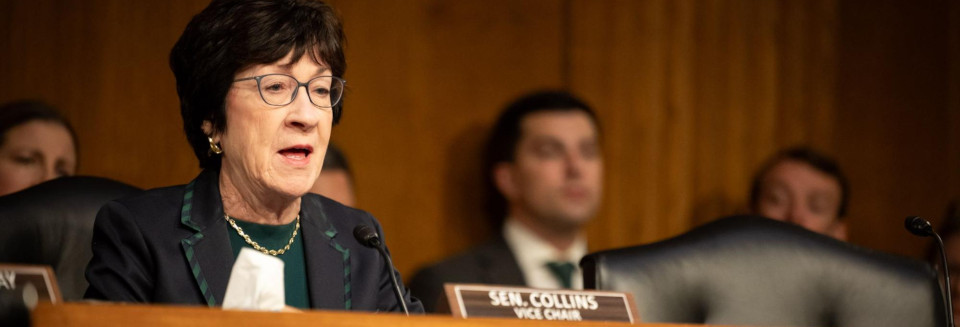
Maine Race for Senate, Climate and Environment
The closely watched race for US Senate in Maine is pitting two environmentally concerned candidates against each other. Not only do Republican Susan Collins and Democrat Troy Jackson both have fairly similar green and climate views, they’re from the same rural county and both have roots in the lumber industry that’s so important to the state.
Join the Living on Earth Book Club on October 13th!
Bestselling science journalist Ed Yong joins us to talk about his new book. Click here to learn more and register!
.png)
Celebrating 30 years of Living on Earth!
Host Steve Curwood in the Living on Earth studio

Fracking and Data Centers
One of the states where data centers to power AI are growing is Pennsylvania, which also has a large supply of natural gas. In Upper Burrell, a town just east of Pittsburgh, a data center expansion could be fed by fracking rigs already pumping gas out of the ground. The Allegheny Front’s Reid Frazier reports the town is trying to keep pace with these two big industries in its backyard.

A Fossil Fuel Treaty Beyond the UNFCCC
Thirty years of UN climate sessions and the persistent wide gap between discussion and action to slow the climate crisis have left some countries and NGOs frustrated as they face a dire future. So even as COP31 begins in Turkey in November, an alternate path already began in April in Colombia when roughly 60 countries met for the first Conference on Transitioning Away from Fossil Fuels, with a treaty in the works.
Hurricane Helene's Impact Brought to Life
In 2024, Hurricane Helene ripped through the mountain communities of western North Carolina, leaving them stranded and unable to communicate with the outside world for days. A new graphic novel, Islands in the Sky: A People’s History of Hurricane Helene, pairs up survivors with artists to help them tell their stories of resourcefulness and resilience in their own words.
This Week’s Show
October 23, 2026
listen / download
Fracking and Data Centers
listen / download
One of the states where data centers to power AI are growing is Pennsylvania, which also has a large supply of natural gas. In Upper Burrell, a town just east of Pittsburgh, a data center expansion could be fed by fracking rigs already pumping gas out of the ground. The Allegheny Front’s Reid Frazier reports the town is trying to keep pace with these two big industries in its backyard.
BirdNote®: A Bird in Hand
listen / download
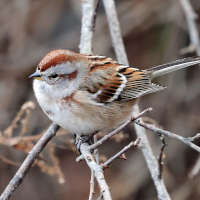
Pennsylvania is known for its unusual town names, which include Burnt Cabins, Intercourse, Pillow, Chinchilla, Hazard and Panic. In today’s BirdNote®, Michael Stein shares how one small community came to be called “Bird-in-Hand”, Pennsylvania.
A Fossil Fuel Treaty Beyond the UNFCCC
listen / download
Thirty years of UN climate sessions and the persistent wide gap between discussion and action to slow the climate crisis have left some countries and NGOs frustrated as they face a dire future. So even as COP31 begins in Turkey in November, an alternate path already began in April in Colombia when roughly 60 countries met for the first Conference on Transitioning Away from Fossil Fuels, with a treaty in the works.

Science Note: Air Pollution and Human Reproduction
listen / download
Fine particulate air pollution, or PM2.5, has been linked to many health consequences such as cancer, respiratory diseases, and cardiovascular damage. Now researchers are finding connections between exposure to this air pollution and longer menstrual cycles. Ashanti McLean reports in this note on emerging science how period tracker app data helped make the link.
Hurricane Helene's Impact Brought to Life
listen / download
In 2024, Hurricane Helene ripped through the mountain communities of western North Carolina, leaving them stranded and unable to communicate with the outside world for days. A new graphic novel, Islands in the Sky: A People’s History of Hurricane Helene, pairs up survivors with artists to help them tell their stories of resourcefulness and resilience in their own words.
Special Features
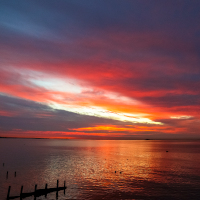 Field Note: "After the Storm"
Living on Earth's Explorer-in-Residence, Mark Seth Lender, ruminates on the storm as it meets the shore.
Blog Series: Mark Seth Lender Field Notes
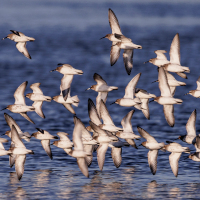 Field Note: "Countermeasures"
Living on Earth's Explorer-in-Residence, Mark Seth Lender, shares observations about shorebirds in flight.
Blog Series: Mark Seth Lender Field Notes

...Ultimately, if we are going prevent large parts of this Earth from becoming not only inhospitable but uninhabitable in our lifetimes, we are going to have to keep some fossil fuels in the ground rather than burn them...
-- President Barack Obama, November 6, 2015 on why he declined to approve the Keystone XL Pipeline.
Donate to Living on Earth!
Living on Earth is an independent media program and relies entirely on contributions from listeners and institutions supporting public service. Please donate now to preserve an independent environmental voice.
NewsletterLiving on Earth offers a weekly delivery of the show's rundown to your mailbox. Sign up for our newsletter today!
 Sailors For The Sea: Be the change you want to sea.
 The Grantham Foundation for the Protection of the Environment: Committed to protecting and improving the health of the global environment.
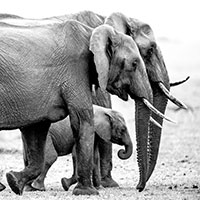 Contribute to Living on Earth and receive, as our gift to you, an archival print of one of Mark Seth Lender's extraordinary wildlife photographs. Follow the link to see Mark's current collection of photographs.
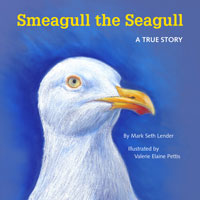 Buy a signed copy of Mark Seth Lender's book Smeagull the Seagull & support Living on Earth
© Copyright World Media Foundation. All Rights Reserved
Home | Contact | RSS | Donate | Newsletter